Preheat a Phin Filter for a Hotter Brew
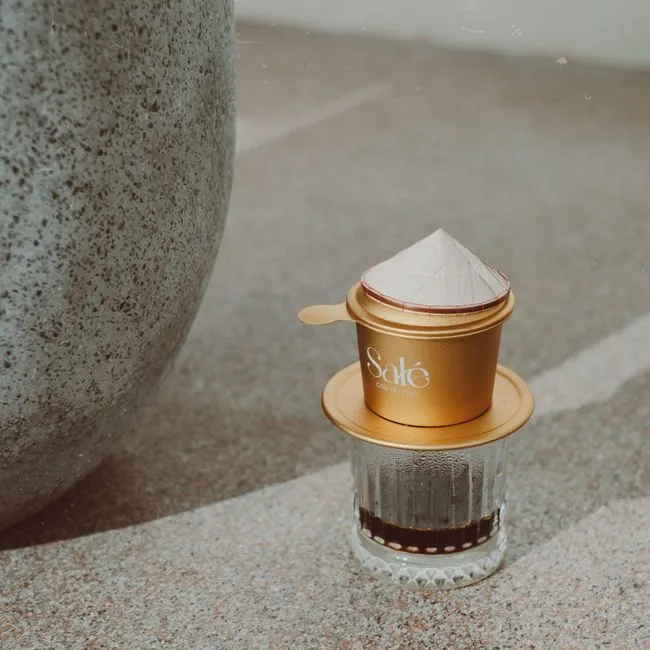
Preheating protects brew temperature
Preheat a phin by setting it on a stable, heat-safe brewing cup, rinsing the metal and cup with hot water, waiting briefly, then discarding the water before adding coffee. A separate serving glass does not need to be preheated. The warm metal and cup absorb less heat from the brew. This is especially useful with a small concentrate, where there is not much hot liquid available to warm cold equipment.
Preheating does not compensate for stale coffee, a poor grind, or water that began lukewarm. Keep it as one controlled step in a repeatable brewing method.
Warm every part safely
Assemble the base and chamber on a stable, heat-safe cup. Place the press and lid nearby or rinse them carefully as well. Add hot water slowly and avoid filling beyond what you can lift safely.
Use a towel or insulated grip if needed. Metal phins become hot, and thin glass can be vulnerable to sudden temperature changes. Follow the glassware maker's heat guidance; do not pour boiling water into an unsuitable cold glass.
Discard the rinse fully so it does not dilute the measured recipe.
Pair preheat with repeatable water
Heat fresh water and use the same kettle routine each brew. Water temperature falls during pouring and contact with equipment, so consistency matters more than pretending one kettle display describes every point inside the coffee bed.
Follow the basic phin recipe immediately after preheating. If the empty brewer sits for several minutes, it loses much of the heat the rinse was meant to supply.
Test whether it helps your drink
Brew two cups with identical coffee, grind, ratio, water, and method. Preheat one filter and cup; leave the other at room temperature. Taste them at matched serving temperatures. Record aroma, sweetness, bitterness, and body rather than assuming “hotter” automatically means “better.”
Lighter roasts or larger cold equipment may show a more noticeable difference. For dark roasts and iced drinks, the effect may matter less to your preference.
Preheat for condensed-milk coffee
When coffee drips over sweetened condensed milk, a warm heat-safe brewing cup helps the concentrate stir evenly. Discard the preheat water fully before adding condensed milk, and keep the cup dry and stable at its base.
For an iced drink, the iced coffee guide still recommends brewing hot before combining with ice. Preheating can improve brewing consistency even when the final serving is cold.
Avoid three common errors
Do not leave rinse water in the cup, do not handle the hot phin by an unprotected metal edge, and do not use preheating as a reason to pour dangerously fast. Confirm the cup is centered and dry around its base before brewing.
Keep the preheat step fixed while testing the coffee ratio. Once it becomes routine, it adds only a short pause. Finish by placing the hot phin on a stable heat-safe surface and leaving it there until it is cool enough to handle.
Brewing guidance is educational; ingredient labels, allergies, caffeine sensitivity, and food-safety needs vary. Use pasteurized eggs for uncooked egg drinks and consult an appropriate health professional about individual dietary concerns.