Vietnamese Coffee Roast Styles Explained
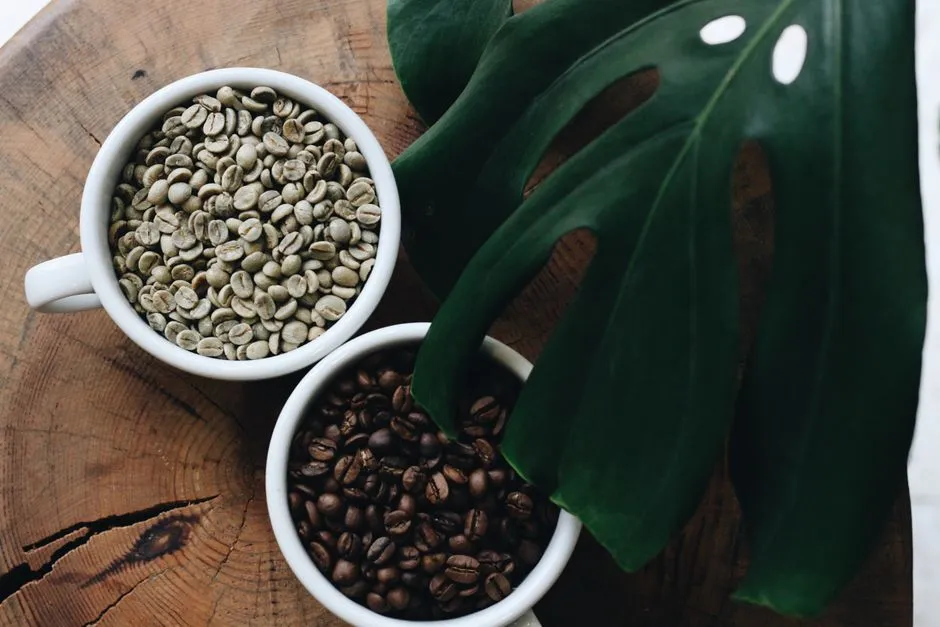
Roast style changes the dominant flavors
Vietnam Tourism's overview of current Vietnamese coffee culture describes traditional strong iced coffee alongside contemporary cafés experimenting with roasting and fermentation. In practical shopping terms, Vietnamese coffees can appear as lighter specialty roasts, medium roasts, and very dark traditional-style profiles. Lighter roasts often preserve more origin character and acidity; darker roasts emphasize roast-driven bitterness, smoke, caramelization, and heavy body. Medium roasts sit between those poles. The label alone cannot predict the exact cup.
Some products also include flavorings or other ingredients. Read the full ingredient and allergen information before buying, and do not serve a product when its contents are unclear. The FDA's label guidance for food allergies advises reading the entire ingredient label when checking a packaged food for a major allergen.
Light roast asks for careful extraction
A lighter coffee can show fruit, florals, sweetness, tea-like clarity, or bright acidity, depending on the bean and process. In a phin it may benefit from preheating and a slightly different grind. Follow the preheating guide: hot water and metal can burn, so use a stable heat-safe cup and a dry heat-resistant grip.
The drawback is that delicate flavors can disappear beneath a large amount of condensed milk. If the final drink is sweet and iced, test before paying extra for nuance you cannot taste.
Medium roast balances origin and roast
Medium roasts often combine recognizable coffee sweetness and aroma with enough caramelized character for milk drinks. They can be forgiving across black and mixed preparations.
“Medium” is not standardized among roasters. One seller's medium may look darker than another's dark. Use bean appearance, tasting notes, and your own brew record rather than translating the word into one universal temperature or color.
Dark roast brings structure and intensity
Dark roasts can produce bold bitterness, low perceived acidity, smoke, dark cocoa, roasted nuts, or char, depending on development. They often pair assertively with condensed milk and ice.
Their brittleness may create more fines at a familiar grinder setting, slowing a phin. Adjust from flow rather than copying the grind used for a lighter coffee. Very oily surfaces can also leave residue, making filter cleaning more important.
Separate roast from species
Robusta does not automatically mean dark roast, and arabica does not automatically mean light. The robusta-versus-arabica guide explains species tendencies. Compare labels carefully so you do not attribute every roast-driven flavor to the coffee species or growing country.
Taste in the intended drink
Brew each coffee to a balanced cup, then follow the tasting guide. Taste black first. Next add an equal measured amount of condensed milk or ice if that is how you normally drink it.
Use the condensed-milk balancing guide to see whether sweetness complements the roast or merely covers it. A dark roast that tastes severe when black may balance with milk; a lighter roast may need less milk.
Buy transparent coffee
Look for a clear ingredient list, roast description, whole or ground format, storage instructions, and enough sourcing information to understand what you are buying. Avoid unsupported claims that one roast is the only authentic choice.
Current Vietnamese coffee culture includes both long-standing preparations and newer roasting and brewing approaches. Choose a roast whose labeled ingredients, brew behavior, and flavor suit the drink you actually make.
Brewing guidance is educational; ingredient labels, allergies, caffeine sensitivity, and food-safety needs vary. Use pasteurized eggs for uncooked egg drinks and consult an appropriate health professional about individual dietary concerns.