Phin Dripping Too Fast? Fix a Thin Brew
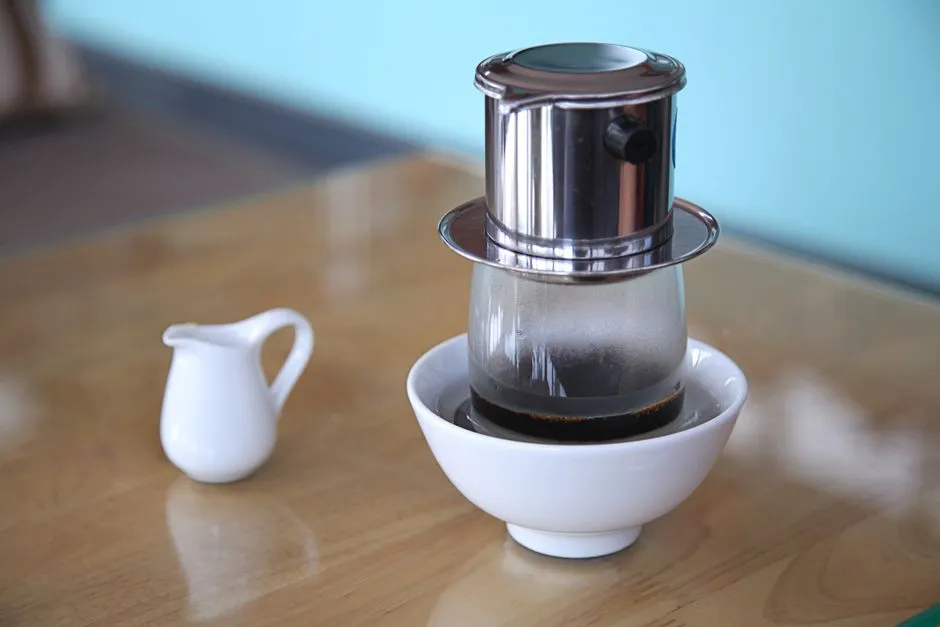
Confirm that the brew is truly too fast
A fast phin is a problem when water streams through and the stirred cup tastes weak, sharp, hollow, or watery. Drip speed differs among filters, so do not reject a tasty cup because it finished before an internet stopwatch expected. Judge the adjustment by both the flow and the taste of the stirred cup.
First repeat the brew with measured coffee and water. A one-off fast cup may come from a low dose, missing grounds, or a press that sat crooked. Set the phin on a stable heat-safe cup before adding water.
Grind slightly finer
If the recipe and assembly are consistent, move the grinder one small step finer. Finer particles create more resistance and more surface contact. Keep dose, water, and press placement unchanged so the result answers one question.
The phin grind guide helps distinguish medium-fine from powdery. Avoid a large adjustment because excessive fines can clog the perforations and stall a chamber that contains near-boiling water.
Check dose and bed depth
A shallow bed offers little resistance, especially in a large chamber. Confirm that the phin suits the serving and that the dose matches your recorded recipe. Increase coffee modestly only if the chamber has safe headroom and you also want a stronger concentrate.
Adding coffee changes the brew ratio and bed depth at once. If you want to preserve concentration, scale water with the dose, then expect the deeper bed to require another grind check.
Level the grounds with a gentle shake. Low spots can create channels, sending water quickly through one part of the bed while extracting little from another.
Set the press consistently
Place a gravity insert flat on the coffee without leaving it perched on one side. For a screw insert, follow a light repeatable position and avoid using pressure as a substitute for grind. The press should support even wetting without compacting the bed.
During the bloom, wet the entire surface gently. A forceful central pour can splash near-boiling water and excavate a channel. Pour slowly with hands clear of the chamber, then add the main water with similar control and cover the brewer. The metal becomes hot enough to burn; let it cool before inspecting or cleaning.
Inspect the hardware
Compare the base and insert for unusually large, damaged, or uneven holes. Confirm that the pieces belong together and that the insert is not inverted. If an empty-water test drains freely, that is normal; the coffee bed supplies most brewing resistance.
If small grind changes swing immediately to a stalled filter, read the slow-drip repair guide and check for fines or blockage.
Improve taste one variable at a time
Stir every completed cup before tasting. If flow slows but flavor remains thin, reduce water slightly or increase coffee within capacity. If the cup becomes dry or harsh, step back coarser or restore the prior ratio.
Write the final recipe for that exact coffee and phin. Fast flow is not cured by making the brewer as slow as possible. The goal is a balanced cup and a repeatable drip that the same measured setup can produce again.
Brewing guidance is educational; ingredient labels, allergies, caffeine sensitivity, and food-safety needs vary. Use pasteurized eggs for uncooked egg drinks and consult an appropriate health professional about individual dietary concerns.