How to Clean a Phin Coffee Filter
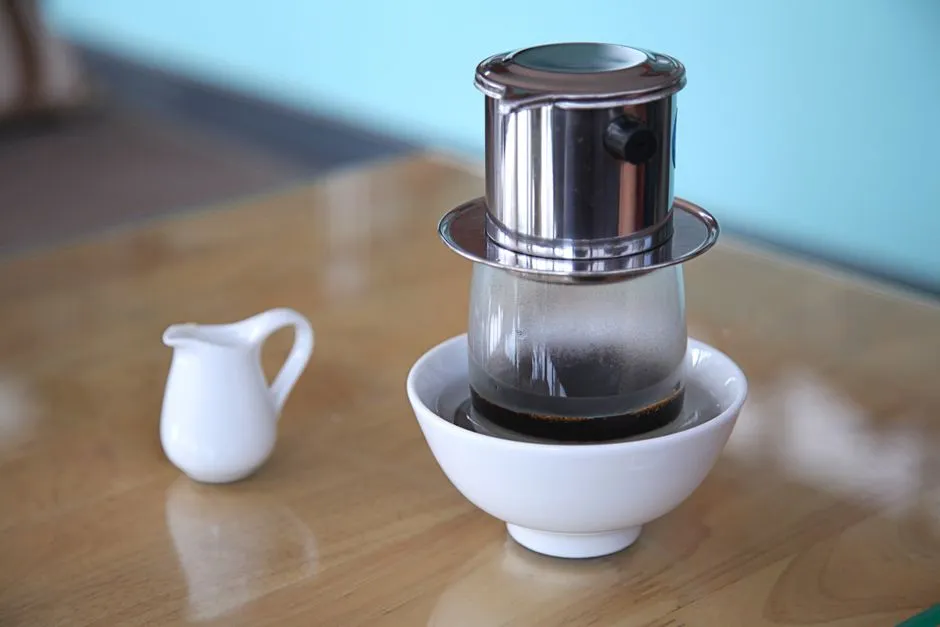
Rinse the phin after every brew
Once the phin is cool enough to handle, remove the press, discard the grounds, and rinse every piece with warm water. Pay special attention to the perforated base and insert. Dry the parts separately before reassembly so trapped moisture and stale coffee residue do not move into tomorrow's cup.
Let every part cool before cleaning. Do not knock metal against glass or dig grounds out with a sharp tool; broken glass, sharp tools, and hot parts can cause cuts or burns. Use a soft brush or the maker-approved cleaning tool.
Use gentle soap when oils remain
Coffee oils can cling to metal and eventually smell rancid or alter flavor. Wash with a mild, unscented dish detergent and a soft cloth or brush, then rinse thoroughly. Follow the manufacturer’s care instructions, particularly for plated, coated, aluminum, or decorative filters.
Avoid abrasive pads that scratch surfaces or strong chemicals not approved for food-contact equipment. If the phin is dishwasher-safe according to its maker, separate the parts so water reaches every surface; otherwise hand-wash it.
Clear blocked perforations without enlarging them
Hold the clean base toward a light. If holes remain blocked, soak the part in warm soapy water and brush from both sides. Use the maker's recommended cleaning pin only if one is provided. Random needles can widen openings, change flow, and leave scratches.
Perform an empty-water test after rinsing. Water should pass freely. If it still pools, repeat cleaning or inspect for a damaged or mismatched part. The slow-drip troubleshooting guide helps separate blockage from grind and compression.
Deep-clean by symptoms, not a ritual calendar
Deep cleaning is due when you see brown film, smell stale oil on the dry filter, or notice unexplained flow changes. The necessary frequency depends on use, coffee, water, detergent, and storage.
Some people use a coffee-equipment cleaner or a mild acid for mineral scale, but compatibility depends on the metal and finish. Follow the cleaner and brewer instructions exactly; never mix cleaning chemicals. Rinse until no odor or residue remains.
Keep the press and threads moving
For a screw-style phin, brush grounds from threads and check that the insert turns smoothly after drying. Do not oil food-contact threads unless the manufacturer specifically approves a product and method. A gravity insert needs its perforations and handle cleaned on both sides.
When choosing a phin, simple disassembly is a genuine feature. Avoid food-contact crevices that cannot be cleaned and dried completely, because retained residue and moisture make hygienic care unreliable.
Store it open and dry
Let all parts air-dry fully. Store them loosely assembled or separated in a ventilated place rather than sealing moisture inside the chamber. Keep the phin away from strong odors and chemical splashes.
Before the next phin brew, inspect for residue, corrosion, sharp edges, deformation, or a loose seam. Replace damaged equipment rather than trying to repair a hot-water vessel with an unknown adhesive.
A clean, dry phin should have no stale-coffee odor and no visible residue. If residue, corrosion, a sharp edge, deformation, or a loose seam remains after cleaning, stop using the filter and replace it.
Brewing guidance is educational; ingredient labels, allergies, caffeine sensitivity, and food-safety needs vary. Use pasteurized eggs for uncooked egg drinks and consult an appropriate health professional about individual dietary concerns.