How to Make Vietnamese Coconut Coffee
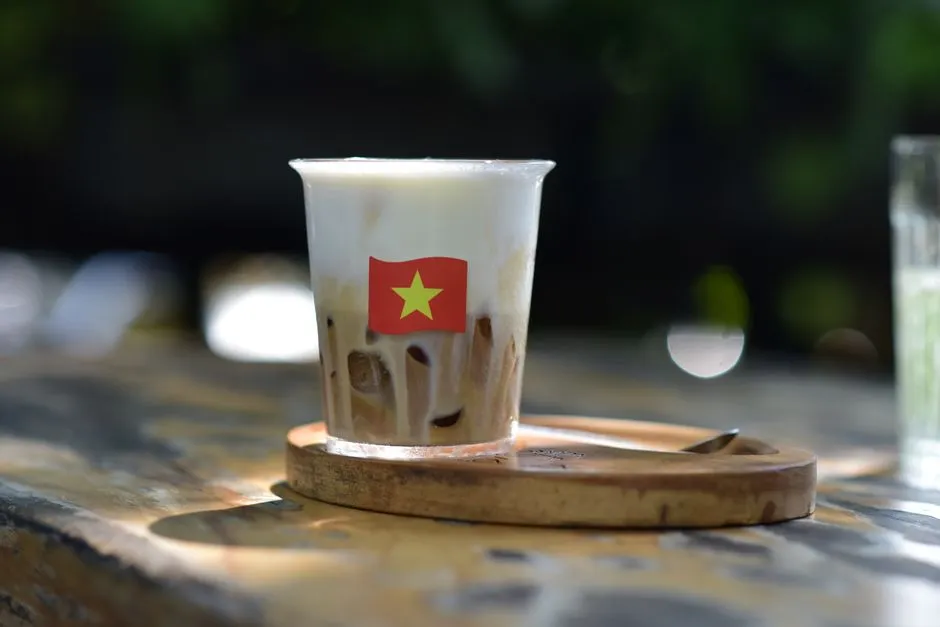
Build coconut coffee from two cold components
Vietnam Tourism describes cà phê dừa as an icy combination of coconut cream, condensed milk, and robusta in its overview of Vietnamese coffee. Home versions can be creamy, spoonable, or pourable. Make the coffee and coconut component separately, then adjust their balance so the coffee remains perceptible beneath the coconut mixture.
Recipes vary among cafés and homes. Coconut milk, coconut cream, sweetened coconut products, condensed milk, and ice all behave differently.
Choose and label the coconut base
Use a coconut product intended for beverages or cooking according to its label. Coconut milk is usually thinner; coconut cream is richer; sweetened cream-of-coconut products contain added sugar and are not interchangeable with unsweetened coconut cream.
Check ingredients and allergen information, especially when serving other people. Refrigerate opened products as directed and stir products that naturally separate.
Brew coffee strong enough for ice
Make a compact phin concentrate using the Vietnamese iced coffee method. Taste it black. A robust roast can cut through rich coconut, while a fruitier coffee may create a brighter combination.
Cool the coffee in a clean covered container before it goes into a sealed blender. Hot liquid can create pressure and eject scalding contents when a blender is opened. If the coffee is still hot, keep it out of the blender and use the layered method instead.
Blend the coconut mixture
For one test serving, combine measured chilled coconut milk or cream with measured ice. Add sweetened condensed milk only if needed, keeping its amount separate. Blend until smooth and thick enough for the intended presentation. Follow the blender maker's hot-liquid and capacity instructions, secure the lid, stop and unplug the machine before scraping the jar, and never put hot coffee into a sealed blender.
If too thin, reduce liquid or ice melt next time. If too thick to pour, add a small measured amount of coconut milk. Avoid repeatedly refreezing and blending leftovers; make manageable batches and follow ingredient safety instructions.
The condensed-milk guide helps control sweetness when both coconut and dairy products are sweetened.
Layer or combine
Pour cooled coffee into a sturdy glass and spoon the coconut mixture over it for layers, or blend the cooled coffee with the coconut mixture for an even drink. Do not pour hot coffee into an ice-cold or unsuitable glass; sudden temperature change can crack some glassware and spill hot liquid. Layering changes the sequence of flavors but not the total ingredients.
Taste after partial ice melt. Coconut fat can soften bitterness and carry aroma, while cold temperature can mute the coffee. If the cup tastes only of coconut, increase coffee concentration or reduce the topping—not both at once.
Make substitutions honestly
For a dairy-free drink, omit dairy condensed milk and verify every product. A sweetened nondairy condensed product may work, but its sugar, fat, and flavor differ. Treat it as a separate recipe.
Use the coffee tasting method to compare black concentrate, coconut base, and combined cup. Record coffee dose, brew water, coconut product, sweetener, and ice. The FDA says caffeine sensitivity varies. If you are pregnant, trying to become pregnant, breastfeeding, or concerned about a medical condition or medication, its caffeine guidance says to talk with your health care provider about whether to limit caffeine.
If serving layers, give the drinker a clean spoon and explain that mixing changes the flavor. Stirring partway through can produce a more even balance of coconut and coffee.
Brewing guidance is educational; ingredient labels, allergies, caffeine sensitivity, and food-safety needs vary. Use pasteurized eggs for uncooked egg drinks and consult an appropriate health professional about individual dietary concerns.